Fish Finder Basics: How to Use Technology to Catch More Fish
Fish finders have changed the landscape of modern angling by employing sonar technology to locate fish and submerged structures. These devices offer various features that can considerably boost angling success. Learning how to utilize them correctly is vital for anglers of all skill levels. Nevertheless, numerous users ignore important factors that can enhance their overall experience. Exploring these components could lead to more fruitful fishing trips and a greater appreciation of aquatic environments. What should anglers consider first?
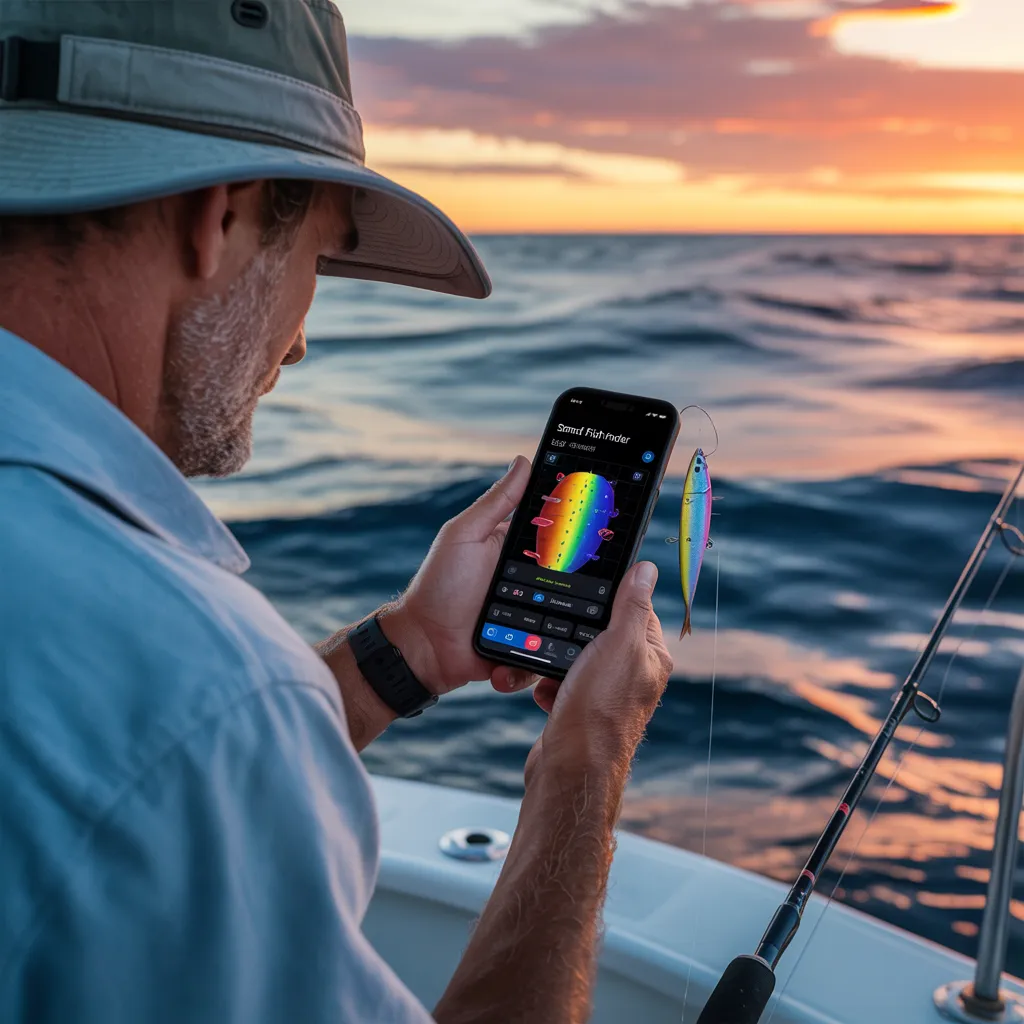
The Way Fish Finders Work With Sonar Technology
Fish finders employ sonar-based technology to detect underwater structures and fish. This technology functions by transmitting sound waves into the water, which then bounce off objects and return to the device. The fish finder analyzes these returning sound waves to generate images of the underwater surroundings. Through this process, it can determine depth, water temperature, and detect fish or other obstacles.
Sonar technology commonly employs two primary sonar varieties: conventional and CHIRP (Compressed High-Intensity Radiated Pulse) technology. Standard sonar emits single frequency pulses, while CHIRP uses a range of frequencies, resulting in more detailed images and better target separation. Fish finders are also capable of distinguishing between different fish species according to their physical dimensions and form. By analyzing these returns, fishermen can make well-informed choices about their casting locations, improving their likelihood of a productive catch.
Key Features to Look for in a Fish Finder
When picking out a fish finder, two essential features to consider are screen size and transducer types. The screen size impacts clarity and usability, while the transducer type affects the reliability and coverage of sonar signals. Grasping these features can considerably elevate your overall fishing experience.
Display Size Considerations
How does screen size influence the functionality of a fish finder? Screen size has a direct impact on the user experience, as bigger screens offer improved clarity and easier interpretation of data. A more expansive screen helps anglers to observe more precise visuals of submerged formations, fish, and depths, making it easier to identify underwater targets. Furthermore, bigger displays often support split-screen features, showing several perspectives or data simultaneously, which optimizes decision-making in real-time. On the other hand, smaller screens may struggle with clarity, notably in bright sunlight or rough conditions, causing potential inaccuracies in data analysis. Therefore, when selecting a fish finder, considering the screen size is critical in guaranteeing effective navigation and fishing success. A equilibrium between compact design and display size can enhance usability.
Understanding Transducer Types
Transducers serve as the heart of a fish finder, translating sonar signals into graphical data that anglers use for productive fishing. They come in various types, including single beam, dual beam, and side-scan transducers. Single beam transducers are perfectly suited for shallow waters, offering concentrated depth readings. Dual beam models offer versatility, combining narrow and wide beams for detailed bottom mapping. Side-scan transducers are exceptional for spanning wide areas, uncovering underwater formations and fish whereabouts with accuracy. Essential attributes to consider include frequency, beam angle, and installation method, such as transom-mounted or through-hull setups. Comprehending these categories and attributes empowers anglers to identify the most fitting transducer, elevating their fishing experience and overall performance.
How to Read Fish Finder Readouts Effectively
Grasping the subtleties of fish finder outputs can greatly enhance fishing success. Effective interpretation begins with recognizing key components such as fish arches, depth, and bottom structure. Depth measurements indicate how far the fish are from the water's surface, while fish arches indicate the presence and size of fish. The definition of these arches can expose their level of activity—clearly defined arches indicate active fish, while dim arches may signal low activity.
Furthermore, understanding the underwater terrain is crucial; it can reveal the types of habitats found there, such as rocky areas or vegetation, which tend to draw fish. Variations in color and shading on the readout can also reveal different substrate materials. By gaining knowledge of these features, fishermen can make educated choices about fishing techniques and locations, effectively boosting their probability of landing fish. Understanding readouts elevates such technology from a simple tool into a significant advantage on the water.
Effective Strategies for Getting the Most Out of Your Fish Finder
Maximizing the effectiveness of a fish finder requires a strong understanding of sonar technology and its applications. Properly adjusting settings can significantly enhance the clarity of data, while analyzing fish behavior is vital for productive fishing trips. When applied together, these methods can produce more productive outings on the water.
An Overview of Sonar Technology
As many anglers use fish finders to elevate their fishing experience, the effectiveness of these devices largely copyrights on a solid grasp of sonar technology. Sonar, known as Sound Navigation and Ranging, makes use of sound waves to locate underwater objects, including fish. A transducer sends out sound pulses that reflect off objects and travel back to the device, generating visual displays of what exists below the surface. Understanding the differences between traditional 2D sonar and advanced 3D imaging can greatly impact an angler's ability to locate fish. Furthermore, understanding how elements such as water temperature and depth influence readings enables anglers to analyze data precisely. In the end, a comprehensive understanding of sonar technology enables anglers to make well-informed choices while fishing.
Modifying Settings Appropriately
To achieve peak performance from a fish finder, fishermen need to make the right setting adjustments. Key adjustments include frequency selection, depth range, and sensitivity. Picking the appropriate frequency can boost visual precision; higher frequencies deliver sharper images, while lower frequencies encompass wider zones. Setting the appropriate depth range guarantees relevant data is displayed, preventing clutter detailed guide from deeper waters. Modifying sensitivity levels helps anglers eliminate background noise and enhance signals, making it easier to identify fish. Additionally, utilizing features such as zoom and color palettes can further refine the display, contributing to improved visual clarity. Consistently reviewing these configurations in response to shifting conditions and environments is essential for optimizing the fish finder's performance and elevating the overall fishing experience.
Analyzing Fish Patterns
Grasping the patterns of fish can substantially increase the success rate of a fishing sonar device. Through observing seasonal fish behaviors, fishermen can anticipate fish locations and improve their fishing techniques. For instance, fish often congregate near underwater structures like rocks and fallen logs, especially during feeding times. Additionally, fish activity is heavily influenced by water temperature; fish species are drawn to certain temperature ranges. Monitoring weather patterns, like overcast skies or fluctuations in barometric pressure, can further help predict fish movement and behavior. Utilizing a fish finder, fishing enthusiasts should search for groups of fish and record the depth at which they appear. Patterns of movement, such as migrating schools or feeding frenzies, can assist in determining the best spots to cast. All things considered, comprehending these movement patterns can lead to more successful fishing trips.
Avoid These Common Fish Finder Mistakes
Steering through the waters of fish finder technology can be intimidating, especially for those just starting out. Numerous fishermen make common mistakes that hold them back. A common mistake is failing to adjust the fish finder settings according to varying water conditions. Overlooking frequency and sonar sensitivity can cause anglers to miss valuable opportunities.
Another common mistake is relying solely on the device without interpreting its readings. Achieving good results with fish finders requires understanding the readings presented, not just passive dependence on the equipment. Furthermore, neglecting to regularly maintain the fish finder—such as maintaining the transducer and verifying connections—can result in inaccurate readings.
Moreover, improper boat positioning can produce inaccurate readings, resulting in misleading information about fish positions. By avoiding these pitfalls, anglers can elevate their time on the water and raise their odds of landing a great catch. Embracing knowledge and proper technique will ultimately lead to more productive fishing trips.
When to Buy a Fish Finder?
When is the right time for an angler to invest in a fish finder? This choice typically depends on a number of considerations. First, seasonal changes play a significant role; many anglers find that purchasing a fish finder before the fishing season begins can enhance their experience. Furthermore, fishermen ought to take their experience level into account. Those new to fishing may find it worthwhile to get a fish finder early on to develop their self-assurance and enhance their methods.
Financial planning is another important aspect; buying a fish finder during discount events, such as annual sales events or spring clearances, can lead to substantial discounts. Furthermore, if a fisherman regularly ventures into new fishing areas, having a fish finder can offer essential guidance, making it a timely investment. Ultimately, the ideal time to purchase differs, but knowledge of specific needs and current promotions will guide anglers in making an informed decision that suits their fishing aspirations.
Popular Questions We Receive
Are Fish Finders Suitable for Both Freshwater and Saltwater Use?
Fish-finding devices work effectively in both freshwater and saltwater environments. The versatility of these devices allows anglers to locate fish in various conditions, making them essential instruments for enhancing fishing experiences irrespective of the water environment they are used in.
How Can I Maintain My Fish Finder for Long-Term Use?
To maintain long-lasting performance, routinely clean the display and transducer, shield the unit against extreme temperatures, store the unit appropriately when not in use, and update software as needed to maintain maximum performance and functionality.
What Is the Typical Lifespan of a Fish Finder?
The typical lifespan of a fish finder typically ranges from five to seven years, influenced by usage, care, and surrounding conditions. Consistent upkeep and updates can prolong its functionality and performance past the expected duration.
Are There Fish Finders Designed Specifically for Ice Fishing?
That's correct, there are fishing devices specifically engineered for ice fishing. Such equipment typically include superior sonar functions and are designed to withstand cold temperatures, giving accurate readings under the ice for efficient fishing during cold weather months.
Can I Use My Smartphone as a Fish Finder?
Indeed, a smartphone can serve as a fishing sonar device. A range of applications and compatible sonar accessories allow users to map out underwater environments and locate fish, enhancing fishing experiences without needing separate specialized fishing devices.